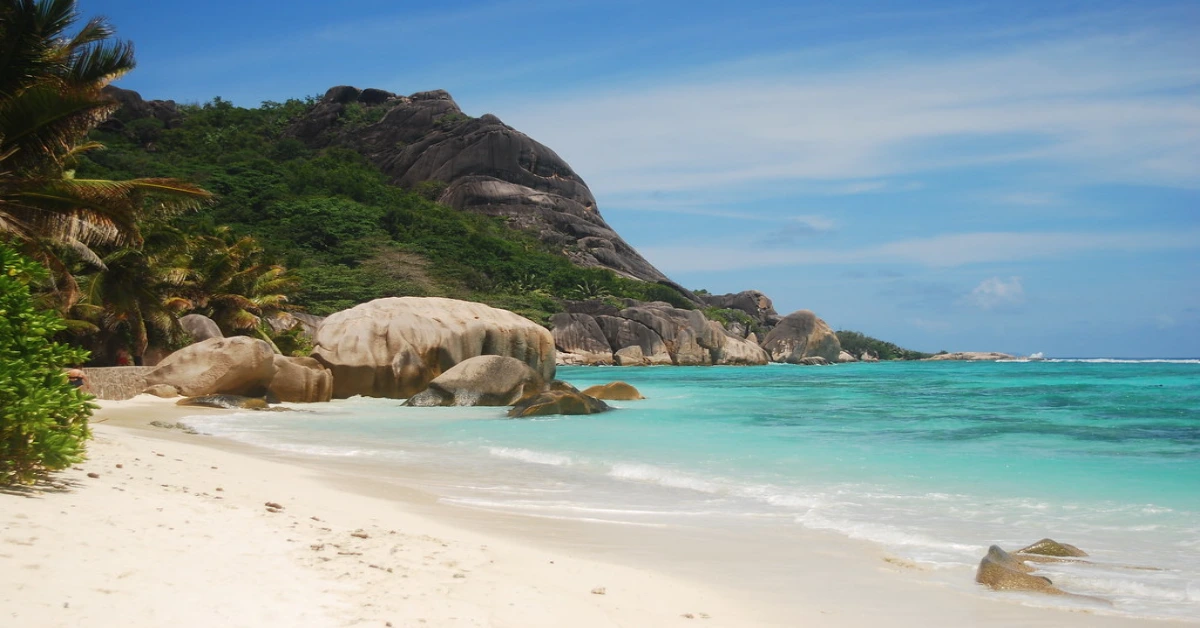
When travelers imagine the perfect seaside escape, cleanliness often ranks just as high as beauty. The top 10 cleanest beaches in the world stand out not only for their breathtaking landscapes but also for their exceptional environmental standards. Many of these beaches are protected under international programs such as the Blue Flag certification, strict national park regulations, or marine conservation laws that ensure crystal-clear waters and pollution-free sands.
In this blog, we mention the top 10 cleanest beaches in the world where nature, sustainability, and responsible tourism work in harmony.
1. Whitehaven Beach – Whitsunday Island, Australia
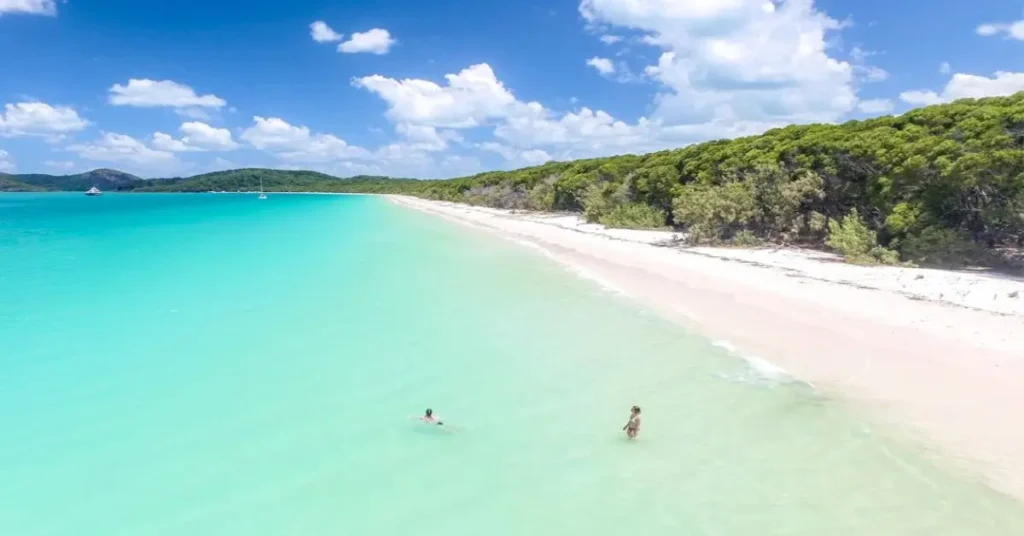
Whitehaven Beach is globally admired for its untouched appearance and incredibly pure white silica sand, which contains over 98% silica. The beach lies within the Whitsunday Islands National Park and is actively protected by the Great Barrier Reef Marine Park Authority. Strict visitor controls, waste-free zones, and continuous monitoring help preserve the shoreline’s cleanliness and the surrounding marine ecosystem.
Best for: Eco-travelers, photographers, reef exploration
2. Anse Source d’Argent – La Digue, Seychelles
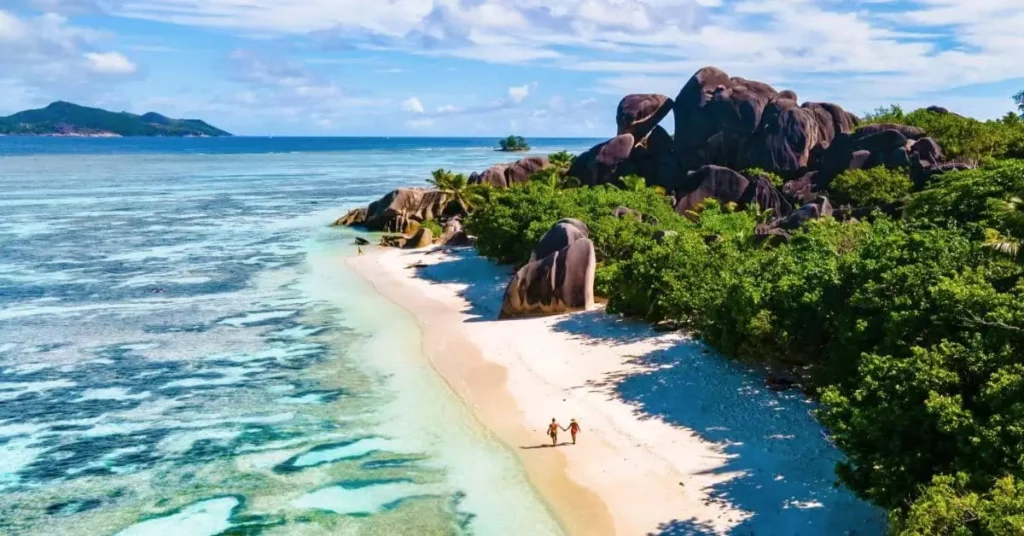
This beach is famous for its massive granite boulders, shallow turquoise waters, and soft white sand. Anse Source d’Argent beach is part of a protected area managed by national authorities, ensuring limited development and controlled visitor access. Regular cleanup programs and strong environmental laws help maintain its reputation as one among the top 10 cleanest beaches in the world.
Best for: Snorkeling, luxury travel, scenic photography
3. Matira Beach – Bora Bora, French Polynesia
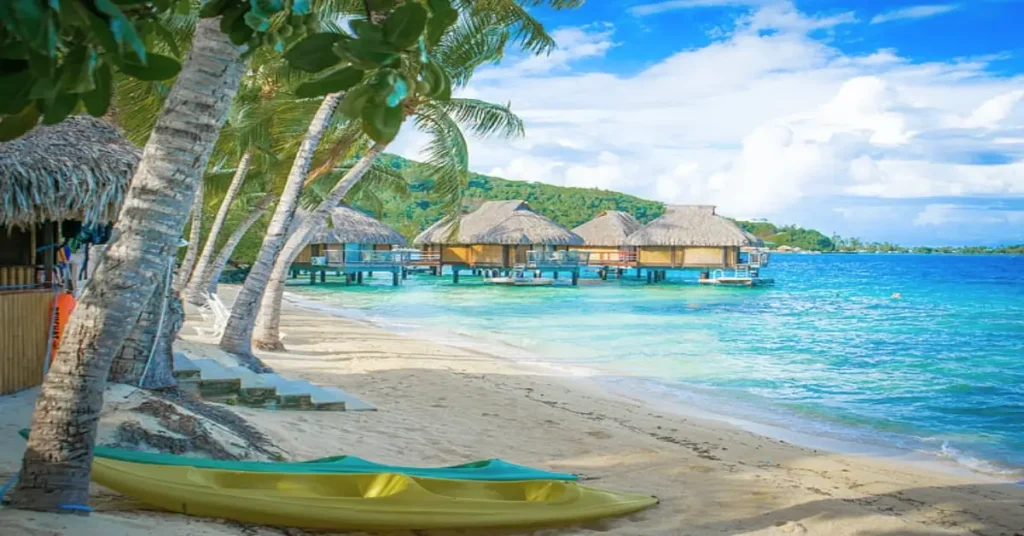
Matira Beach is one of the few public beaches in Bora Bora and is renowned for its calm, transparent waters and spotless shoreline. The island’s remote location, combined with sustainable tourism practices, plays a key role in keeping pollution levels extremely low. Local communities actively support marine conservation and responsible waste management.
Best for: Swimming, relaxation, romantic vacations
4. Spiaggia dei Conigli – Lampedusa, Italy

Spiaggia dei Conigli, also known as Rabbit Beach, is located on a remote island south of Sicily and consistently ranks among Europe’s cleanest beaches. The area is protected to safeguard endangered loggerhead sea turtles. Seasonal access restrictions, water quality checks, and strict environmental regulations ensure the beach remains pristine year-round.
Best for: Nature lovers, Mediterranean escapes, wildlife spotting
5. Grace Bay – Providenciales, Turks and Caicos

This beach is celebrated for its powdery white sand, shallow waters, and remarkably clear sea. Grace Bay beach benefits from strong local environmental policies and well-managed tourism infrastructure. Coral reefs located offshore act as natural barriers, keeping the water calm and clean while protecting the coastline from erosion and pollution. Due to its cleanliness, this beach comes at number 5 in the list of top 10 cleanest beaches in the world.
Best for: Families, snorkeling, luxury resorts
Also read: Cranes Roost Park in Florida: History, Activities & Travel Tips
6. Elafonissi Beach – Crete, Greece
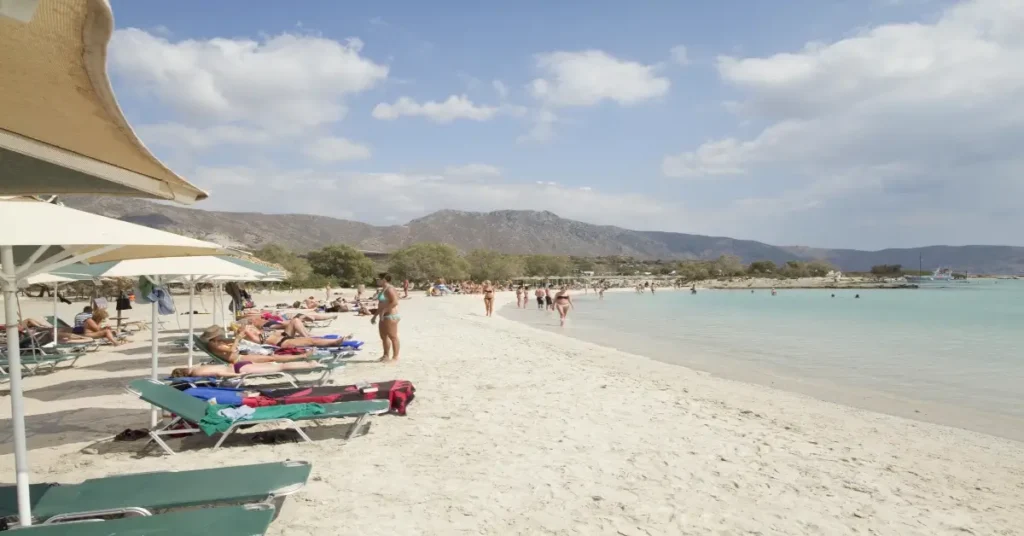
Elafonissi Beach is a protected Natura 2000 site, recognized for its unique pink-tinged sand and crystal-clear lagoons. Conservation measures limit construction and preserve delicate dune ecosystems. Regular maintenance and visitor guidelines help prevent pollution, making it one of the Mediterranean’s cleanest and most environmentally managed beaches.
Best for: Shallow swimming, eco-tourism, peaceful retreats
7. Radhanagar Beach – Andaman & Nicobar Islands, India
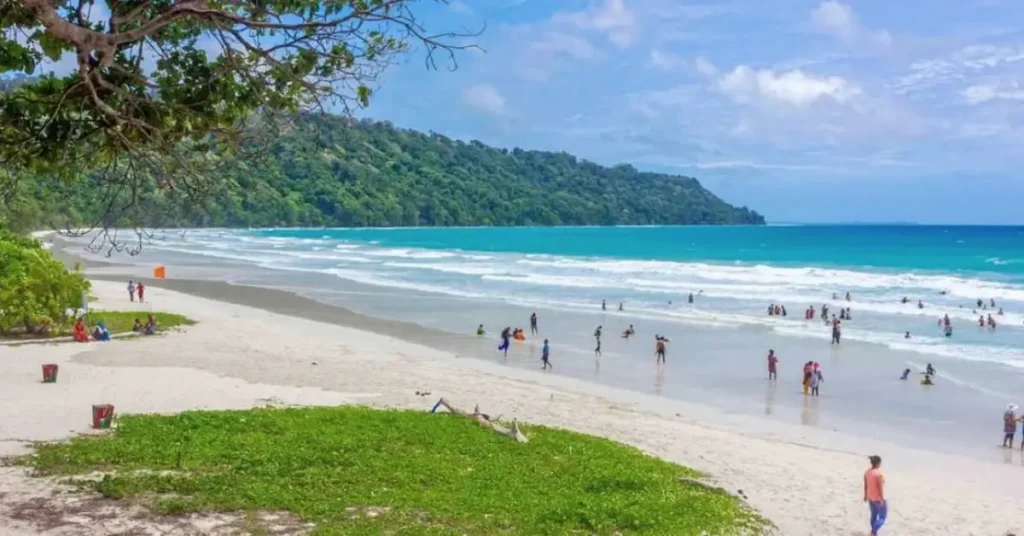
Only three beaches of India have found a place in the list of the top 10 cleanest beaches in the world and Radhanagar Beach is one of them. This Beach on Havelock Island holds Blue Flag certification, confirming its excellent water quality, safety standards, and environmental education initiatives. Surrounded by tropical forest, the beach is carefully managed to prevent littering and over-tourism, offering visitors a naturally clean and tranquil coastal experience.
Best for: Sunsets, swimming, nature tourism
8. Shivrajpur Beach – Dwarka, Gujarat, India

Shivrajpur Beach is another Blue Flag-certified destination, known for its clear waters and well-maintained shoreline. Facilities such as proper waste disposal systems, eco-friendly infrastructure, and regulated water activities contribute to its cleanliness. This beach also supports sustainable tourism while promoting marine awareness among visitors.
Best for: Water sports, family trips, cultural travel
9. Padubidri Beach – Karnataka, India

Padubidri Beach stands out for its calm environment, clean sand, and strong environmental monitoring. As a Blue Flag beach, it follows strict international standards for hygiene, safety, and environmental protection. Limited commercial activity and community-led conservation efforts help keep the beach peaceful and pollution-free.
Best for: Quiet relaxation, coastal walks, eco-friendly travel
10. Burriana Beach – Nerja, Spain
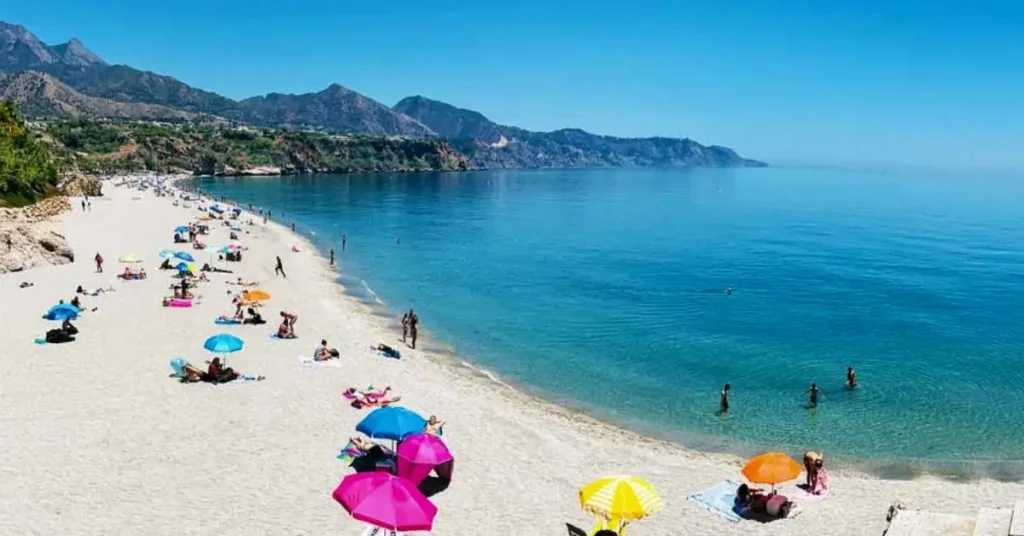
Burriana Beach benefits from Spain’s long-standing commitment to coastal cleanliness and sustainability. This beach regularly meets Blue Flag standards, ensuring excellent water quality and well-maintained facilities. Strong municipal management and public awareness programs play a vital role in preserving its clean and visitor-friendly environment.
Best for: Mediterranean vacations, food lovers, beach promenades
What Makes These the Top 10 Cleanest Beaches in the World?
The beaches featured above share common factors that define cleanliness on a global scale:
- Certified water quality testing
- Sustainable waste management systems
- Protected marine and coastal ecosystems
- Responsible tourism regulations
- Community and government-led conservation
These standards ensure that the top 10 cleanest beaches in the world remain safe, beautiful, and environmentally sustainable.
Final Words
The top 10 cleanest beaches in the world prove that breathtaking natural beauty and environmental responsibility can coexist. These destinations set global benchmarks for cleanliness, conservation, and sustainable tourism. Visiting such beaches isn’t just about enjoying crystal-clear water and soft sand — it’s about supporting ecosystems and communities that actively protect our planet’s coastlines. By choosing responsible travel and respecting local guidelines, travelers help ensure these pristine beaches remain unspoiled for generations to come.
Also read: Tourism in the Gulf of Mexico – Weather, Coral Reefs, Fishing/Vacation Spots, Spearfishing & More